

Frizzle Treatment Development
What is Frizzle Treatment?
Finding Hope for Frizzle (FRRS1L) has developed an investigational gene replacement therapy designed to address the underlying genetic cause of FRRS1L genetic disease.
Frizzle is caused two non functioning FRRS1L genes in a patient that prevent the brain from having functional FRRS1L protein. FRRS1L plays an important role in the assembly and function of AMPA receptors, which brain cells need to communicate properly. When FRRS1L does not function correctly, this critical communication system is disrupted, contributing to uncontrolled seizures, rapid regression, global loss of function, and severe disability.
Our treatment is designed to deliver a working copy of the FRRS1L gene to cells throughout the brain, giving those cells the genetic instructions they need to produce functional FRRS1L protein.
How will the Treatment Reach the Brain?
Our gene therapy uses TfR1 CapX, a next-generation engineered AAV capsid designed to cross the blood-brain barrier and achieve broad distribution throughout the brain following an intravenous (IV) infusion.
The treatment will be a one-time treatment capable of reaching the majority of brain cells and restoring the function that is missing because of FRRS1L disease.
Why Do We Believe in This Treatment?
Our preclinical research provides important evidence supporting gene replacement as a potential treatment for FRRS1L. In our disease model, replacing the missing FRRS1L gene restored AMPA receptors and improved neurological and motor function.
This research gives us hope that addressing the root cause of the disease could change what is possible for Frizzle patients and hopefully restore function.
We developed this treatment for Frizzle kids—but what we learn through this program and the use of next-generation brain-targeting gene therapy technology has the potential to contribute to the future of treatment development for many neurological diseases.
Preclinical Data Shows Restoration of Function
Our preclinical research in FRRS1L disease mouse models demonstrated restoration of function following gene replacement therapy.
By delivering a working copy of the FRRS1L gene, researchers were able to restore critical function in the brains and bodies of mice affected by FRRS1L disease. These results provide important evidence that replacing the missing or dysfunctional FRRS1L gene has the potential to address the underlying cause of the disease.
For Frizzle families, these findings represent something incredibly important: hope for recovery of function.
We want to bring that same possibility to Frizzle patients. That is why we are working with urgency to advance our gene replacement therapy into the clinic and begin evaluating whether it can help change the lives of children living with Frizzle.
We saw restoration of function in our preclinical research. Now, we are working to bring that hope to patients.


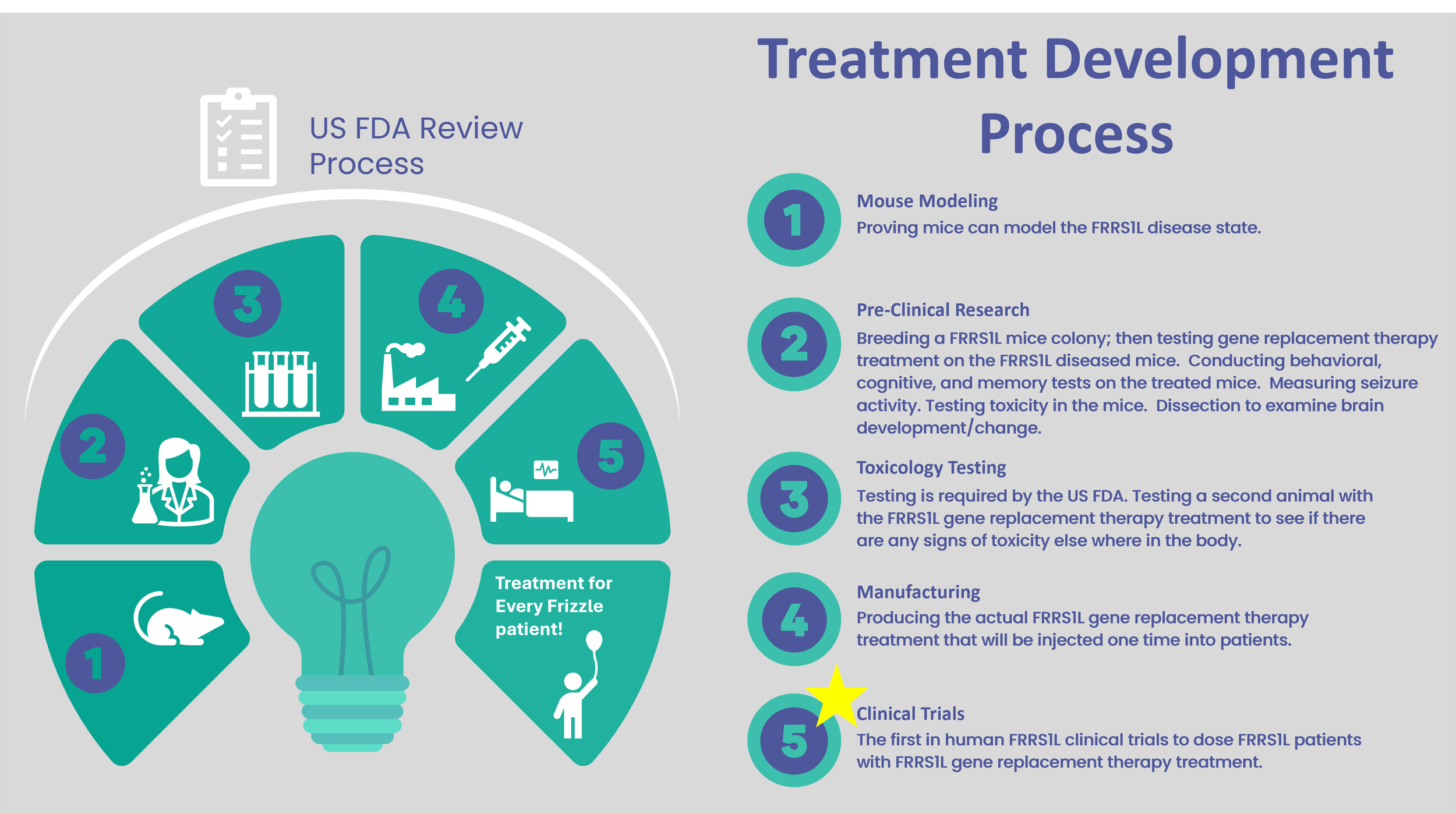
Treatment Development Process
Finding Hope for Frizzle (FRRS1L) has advanced our investigational gene replacement therapy from early research through preclinical development and is now working toward the clinical stage of treatment development.
Our goal is to move this treatment into a clinical trial and begin evaluating it in Frizzle patients as soon as possible.
Funding Makes Treatment Possible
As a parent-led nonprofit organization, Finding Hope for Frizzle is funding the development of this treatment. Our ability to move forward—and how quickly we can do so—is directly dependent on raising the funds required for each stage of development and the clinical trial.
We have come incredibly far, but getting treatment to patients requires continued support.
Every dollar raised helps move us one step closer to treating Frizzle patients.
WHY THIS MATTERS
Finding Hope for Frizzle (FRRS1L), a parent-led organization, is excited to announce its partnership with Apertura Gene therapy to license their TfR1 CapX technology for Frizzle gene replacement therapy. The organization is funding and driving treatment forward for Frizzle disease and has a goal to begin a clinical trialbefore the end of this year! This partnership has the opportunity to move science forward not just for Frizzle disease but for all neuro and rare diseases pursuing gene therapy.
Although Frizzle is a rare neurodevelopmental disease, advancing this treatment into the clinical setting has implications far beyond a single disease. Progress in this space will not only support smaller rare disease communities but also contribute valuable insights that may accelerate breakthroughs in more prevalent neurodegenerative conditions such as Parkinson’s and Alzheimer’s disease. We are seeking leaders and champions across these communities who are willing to step forward in support, recognizing that this effort has the potential to advance treatment development across the entire neurological disease and gene therapy development landscape.
Join us on this journey of HOPE as we seek to CHANGE LIVES and CHANGE THE WORLD!
TfR1 CapX
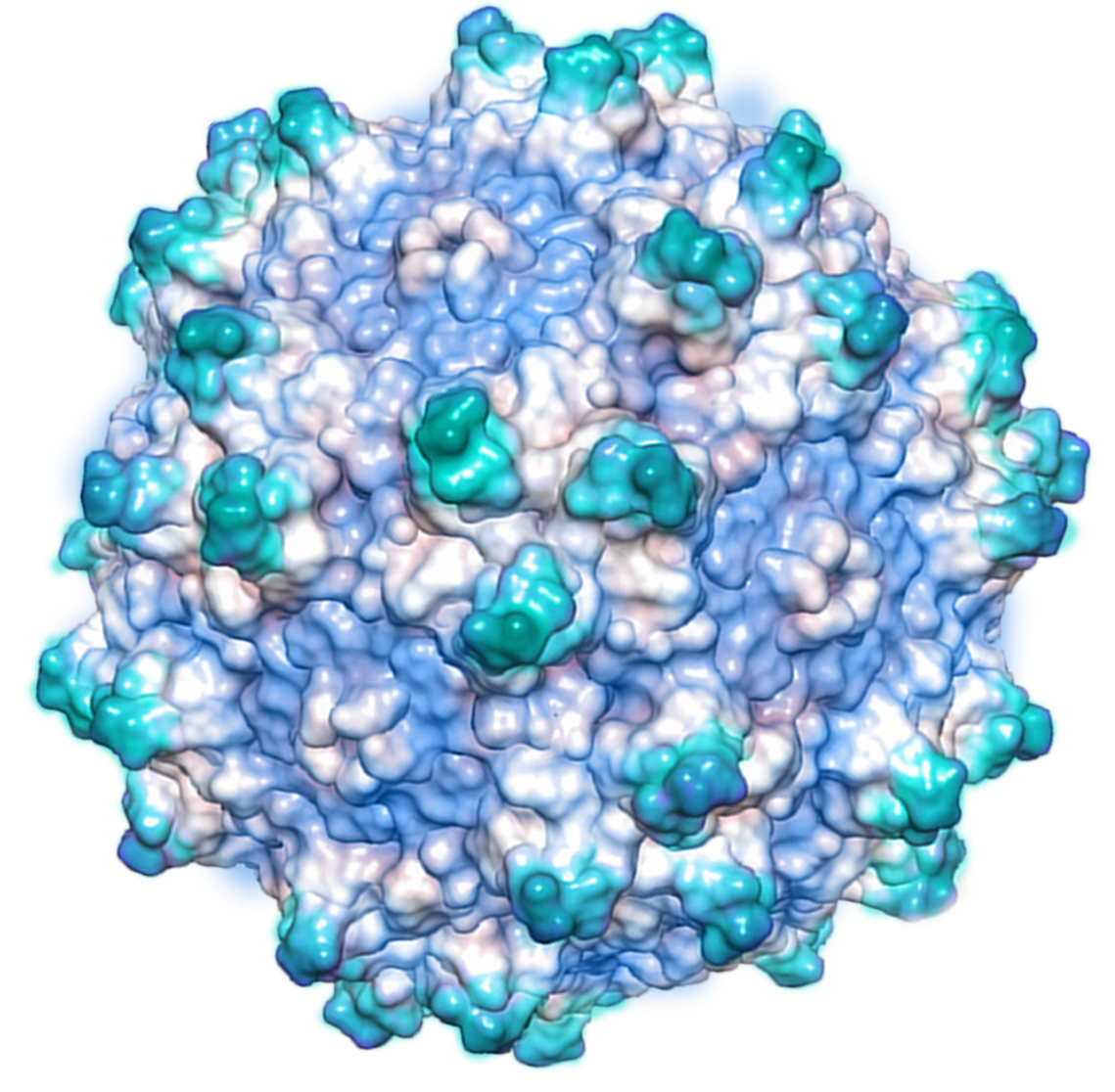
Frizzle (FRRS1L) Gene Therapy will be using the Apertura TfR1 CapX technology to deliver the FRRS1L gene to the brain. Apertura Gene Therapy has engineered a central nervous system (CNS)-targeting AAV capsid that binds to the human Transferrin Receptor 1 (TfR1). Apertura’s TfR1 CapX can cross the blood-brain barrier (BBB) and deliver therapeutic cargo throughout the central nervous system (CNS) via systemic administration
Treatment is possible with your support!
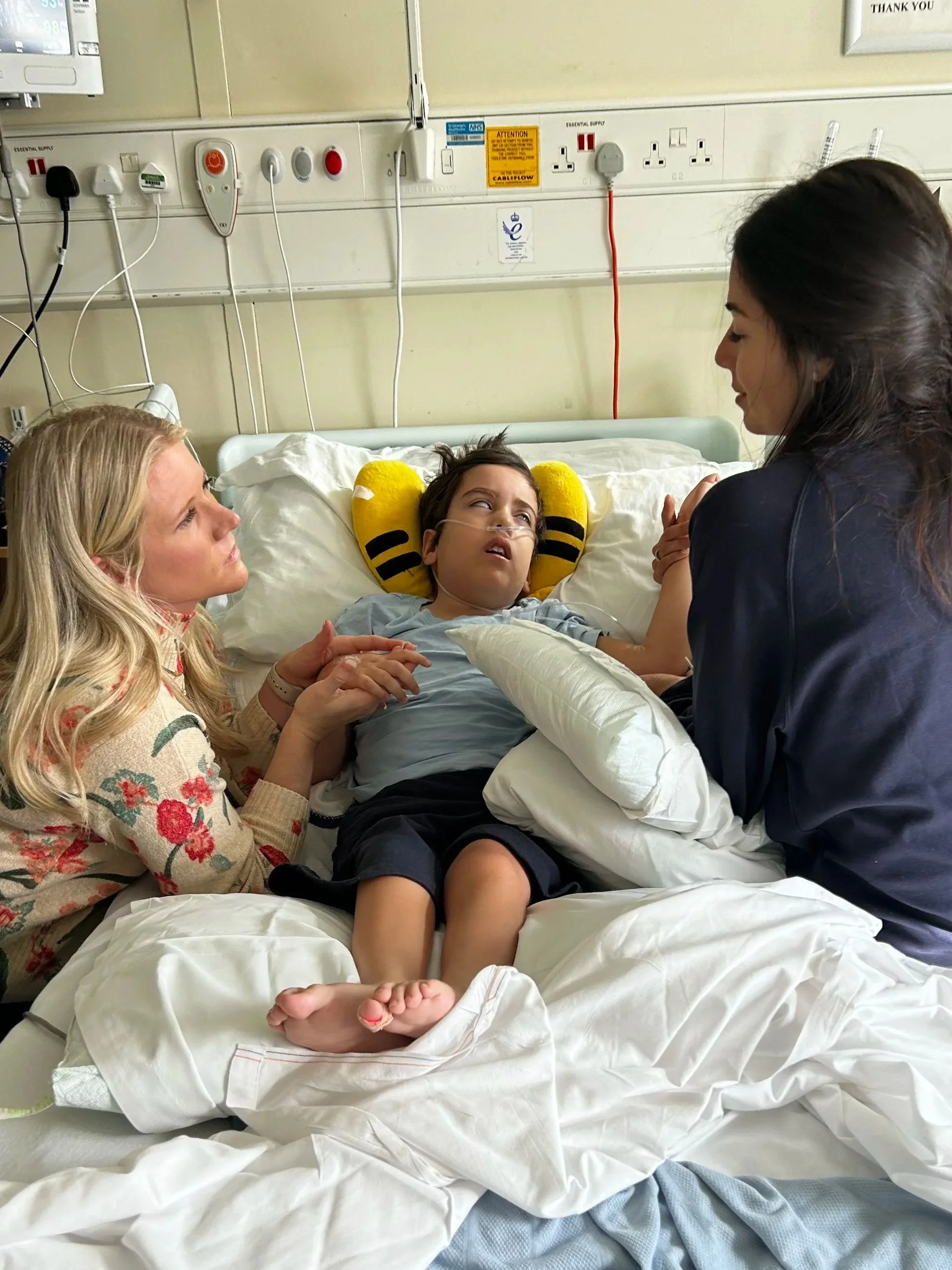
Our race to lifesaving treatment has begun. We have a goal to begin treating Frizzle patients before the end of this year, but it will only happen with your support!
All donations are tax deductible, and will go directly to fund a Frizzle clinical trial. Your gift will help ALL children with FRRS1L. That is older children who have lost hope, younger children who haven’t yet regressed, and unborn children who will inherit this disorder. This research also moves forward the science that may result in cures for other genetic disorders.