
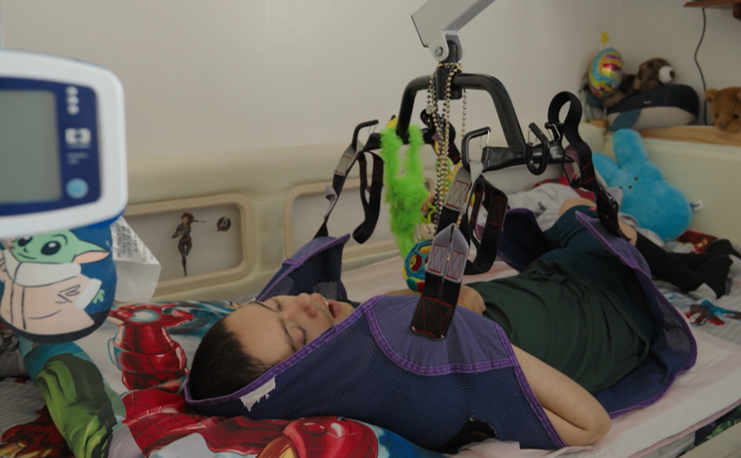
What is Frizzle (FRRS1L)?
FRRS1L is a gene in all cells of the brain. Patients with Frizzle (FRRS1L) genetic disease have two non-functioning FRRS1L genes in every brain cell. Non-functioning FRRS1L genes causes the messages in the brain to not get through from one cell to another. These messages affect all areas of function and life for the patient. The resulting disorder produces epilepsy, progressive dyskinesis (abnormal movements), developmental delay, diffuse hypotonia, and global loss of function. Current research shows children having developmental delays, but still gaining abilities, and then between 6-24 months having seizures that cause regression, and rapid loss of function. Frizzle patients are trapped in a body they can’t move, however still retain high cognitive function, understanding, communication, and awareness.
To learn more details about the struggle of children with FRRS1L, please check out the FRRS1L Kids Stories.
Frizzle is a devastating and severely debilitating genetic disease
FRRS1L Gene
FRRS1L (Ferric Chelate Reductase 1 Like)
FRRS1L gene is a protein coding gene contained in all cells of the brain
It helps build key components of the ampa receptor that get produced to sit outside the cell and send messages between cells
The loss of function mutations in two FRRS1L genes in a patient causes Frizzle (FRRS1L) genetic disease
The FRRS1L gene encodes a protein that is required for assembly of the AMPA subtype of glutamate receptors in the brain
The non-functioning genes cause the AMPA-receptors to not be built for the cells, and thus messages are not being sent between the cells in the brain
FRRS1L genes are required for AMPA receptor assembly and maturation
In the absence of these receptors, there is early onset epilepsy, hyperkinetic movements and developmental delay; followed by severe and rapid regression and loss of function by the age of two years old.
FRRS1L is recycled after use
Frizzle (FRRS1L) Genetic DiseaseFRRS1L (Ferric Chelate Reductase 1 Like) disease = aka Frizzle
Also known as early infantile epileptic encephalopathy type 37
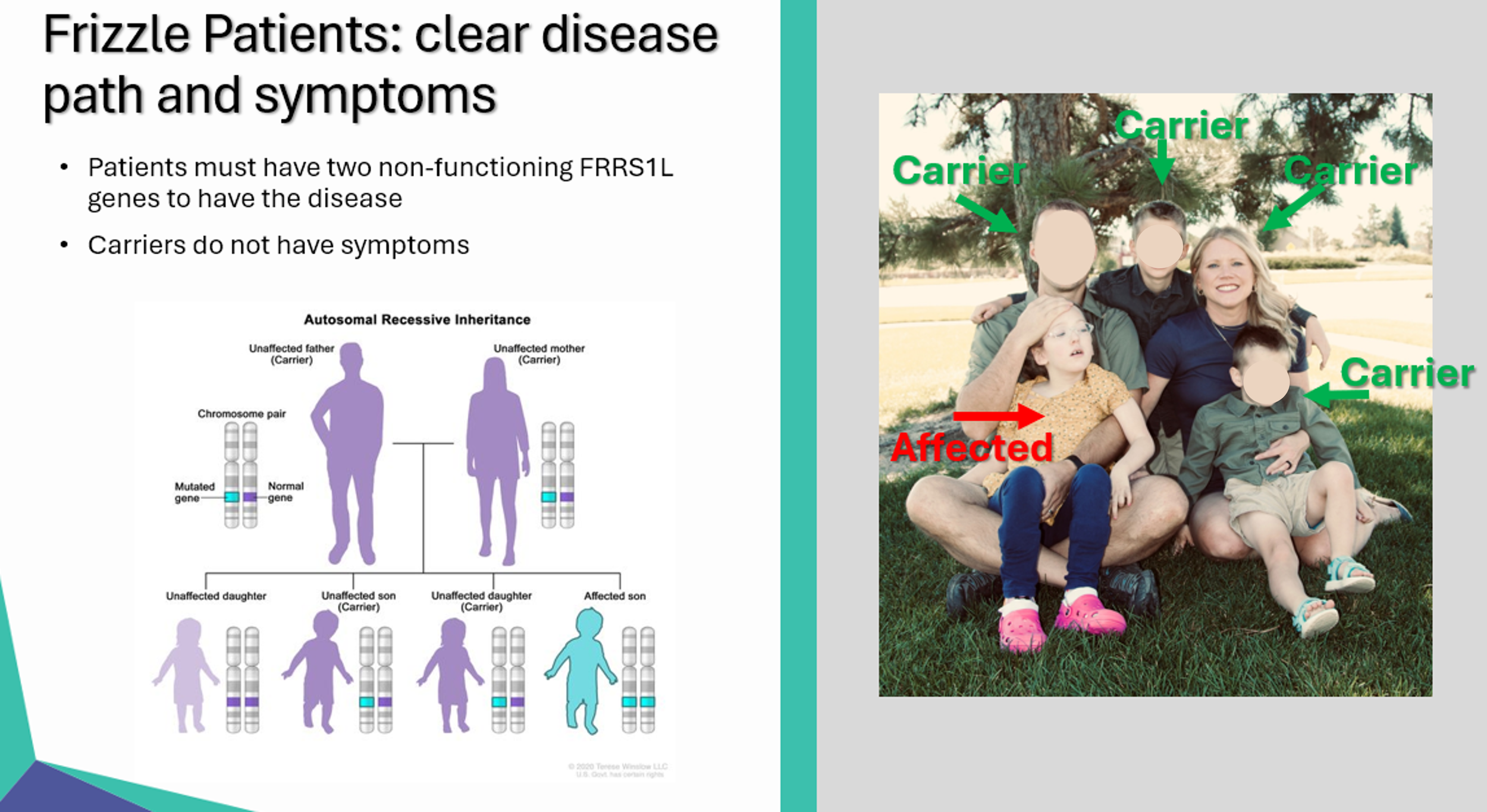
Patients have two non-functioning FRRS1L genes to have the disease; carriers do not have symptoms
Normal pregnancy; at birth there are no medical issues, disease, or deformities with patients’ bodies parts and major body systems
Developmental delays
Epilepsy and regression onset between 6-24 months of age
Rapid regression and loss of motor function; but retain cognitive understanding and awareness
Loss of all gross and fine motor skills; loss of oral motor function and airway clearance
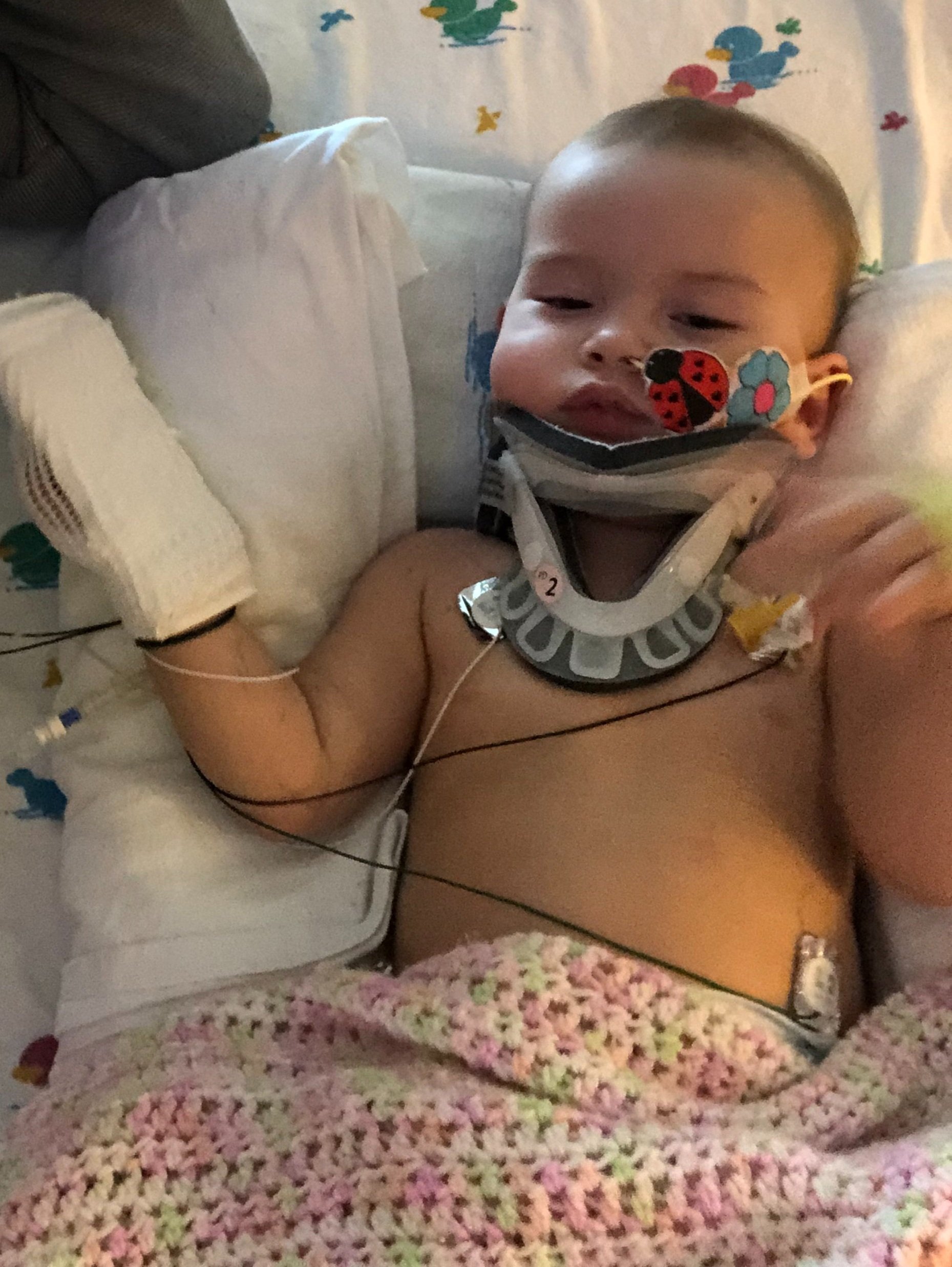
All patients' wheelchair dependent with head and full body support; G-tube or J-tube fed; requiring 1 to 1, 24/7 skilled care and intervention
Seizure control is poor, with epilepsy remaining highly refractory to antiepileptic medications
Disease progression and symptoms consistent across patients
Secondary health conditions due to loss of function: airway obstructions, respiratory failure, cerebral palsy, hip dysplasia, urology difficulties, infection
Threat to life: phenomena, infection, seizures that do not stop
FRRS1L ResearchFor a full list of research publications please visit our research page here
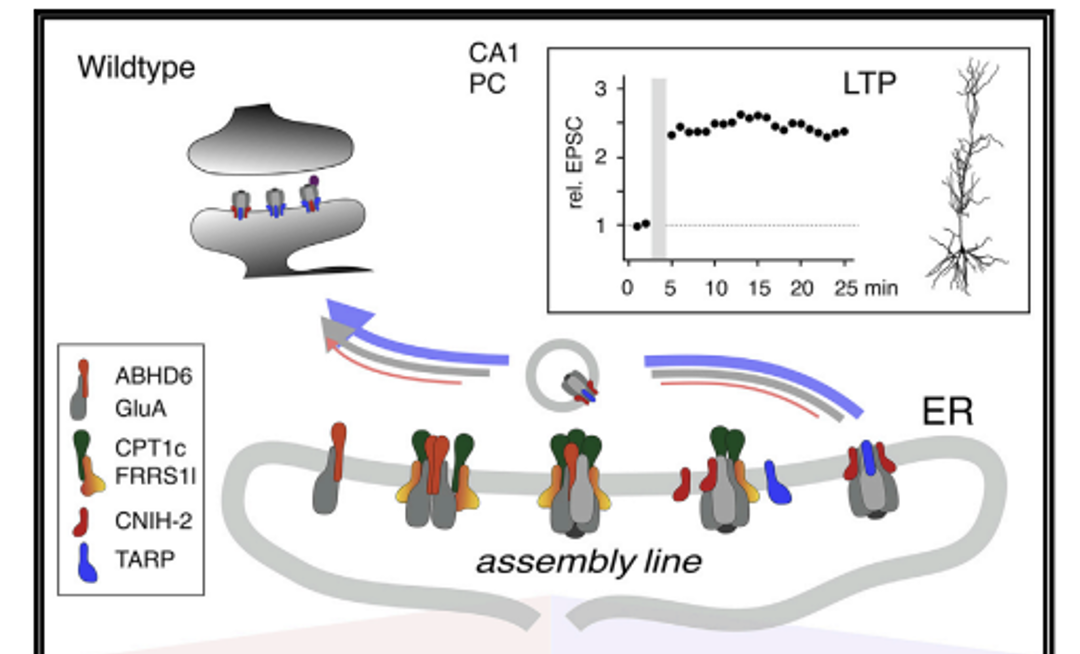
Here is an image from An ER Assembly Line of AMPA-Receptors Controls Excitatory Neurotransmission and Its Plasticity
Jochen Schwenk1,6 ∙ Sami Boudkkazi1,6 ∙ Maciej K. Kocylowski1,6 ∙ Aline Brechet1 ∙ Gerd Zolles1 ∙ Thorsten Bus3 ∙ Kaue Costa4 ∙ Astrid Kollewe1 ∙ Johannes Jordan1 ∙ Julia Bank1 ∙ Wolfgang Bildl1 ∙ Rolf Sprengel3 ∙ Akos Kulik1,2 ∙ Jochen Roeper4 ∙ Uwe Schulte1,2,5 ∙ Bernd Fakler1,2,7
It shows the function of FRRS1L in the brain.
FRRS1L has been found around the world, and in multiple people groups. Currently there are known children in:
Afghanistan
Bulgaria
Croatia
Germany
India
Iran
Italy
Middle East
Netherlands
Puerto Rico
South Korea
Turkey
USA

FRRS1L Around the World
Additional Resources
FRRS1L gene disorder presents in children through epilepsy, progressive dyskinesis (abnormal movements), developmental delay, diffuse hypotonia, cortical and cerebellar volume loss, and gradual loss of responsiveness to the environment.
For information on various types of seizures please check out the Epilepsy Foundation page on Seizure Types.
For information on movement disorders please see Mayo Clinic movement disorders page.
For information on developmental delays please see the CDC’s page on developmental disabilities.
For information on Hypotonia please see the Boston children’s hospital page on Hypotonia.

REGISTER
your Frizzle Child/Children
By registering your child/children with Finding Hope for FRRS1L, it provides valuable information that will help us better understand and track the global map of the Frizzle (FRRS1L) community; it will inform researchers; and it also allows us to keep you informed through email updates and news on the progress towards clinical trials for gene replacement therapy. Registering your child is completely optional.